Work toward hidden objectives
A Mission gives you a private goal to pursue while you move, fight, and use cards normally. The opponent knows you are working toward something, but not exactly what.
Intelligence · faction overview
Intelligence pursues hidden Missions, accumulates Intel, studies opposing battle choices, and turns operational progress into a secret route to victory.
At the table
Intelligence rewards planning several turns ahead. Your opponent can see that you are pursuing a Mission, but not what it requires, while Intel lets you challenge some of the hidden information that normally defines Gauntlet's battles.
A Mission gives you a private goal to pursue while you move, fight, and use cards normally. The opponent knows you are working toward something, but not exactly what.
Intel lets you inspect or disrupt hidden battle choices, making uncertainty itself a resource you can manage.
Completed Missions bring a Special Operation closer, so each smaller objective can contribute to a secret endgame.
Signature system
Missions turn ordinary movement, battles, and card play into hidden objectives. Completing them builds Intel and brings a Special Operation closer.
Intel buys information and interference. It can reveal what the opponent hoped to keep hidden or force a battle plan to change.
Complete enough Missions and a Special Operation becomes your hidden final objective—and your faction's additional route to victory.
Victory
Information advantages and Mission rewards can support the normal territorial route while keeping the opponent uncertain about your real priorities.
Complete Missions until a Special Operation becomes available, then carry out its hidden objective to win.
Faction Leaders
Each Leader uses the same Missions and Intel, but one keeps field plans from being disrupted while the other accelerates the Mission cycle itself.
Territory effects, reconnaissance, and field operations
“Know the land before the battle begins.”
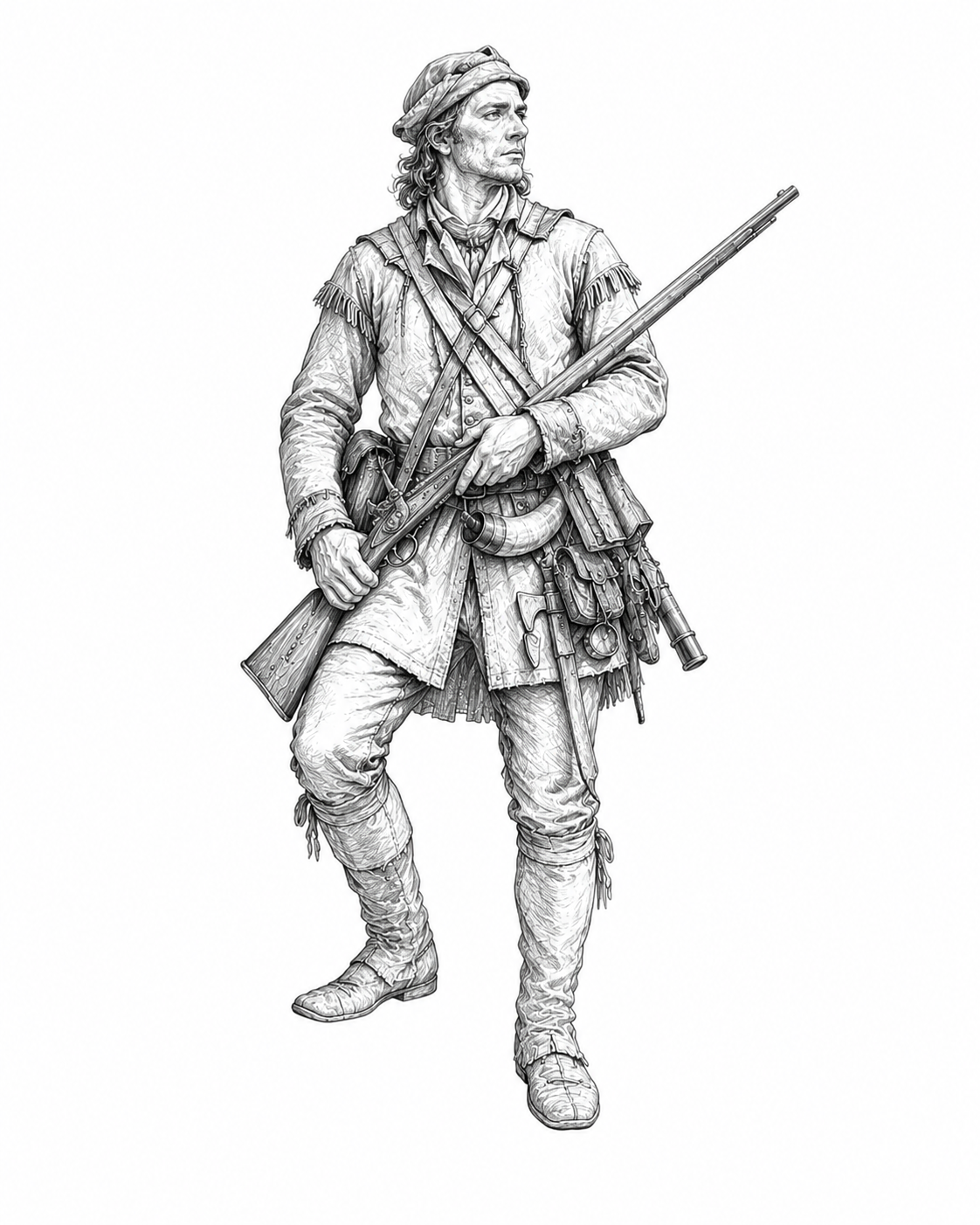
The Ranger uses Intel to neutralize troublesome Territory effects, keeping important Missions and attacks on course when the terrain would otherwise interfere.
The Ranger is the field operator: terrain and positional complications are less likely to derail a plan. He rewards Missions that align with movement and battlefield objectives.

Mission tempo and operational coordination
“Information never rests. Momentum is the weapon.”
The Spymaster can roll from one completed Mission straight into the next, keeping the larger operation moving without losing tempo.
The Spymaster rewards having the next objective ready before the current one ends. Chaining Missions brings the Special Operation within reach faster.
Archetype and setting
Intelligence represents scouts, surveyors, agents, informants, couriers, analysts, and the networks that turn information into action across political and institutional boundaries. The Ranger works in the field through reconnaissance, terrain knowledge, exploration, and irregular operations; the Spymaster directs covert networks through ciphers, intercepted correspondence, informants, dead drops, and patient operational planning.
Leader inspirations: Ranger — Robert Rogers and Lewis & Clark, combining frontier irregular warfare with disciplined reconnaissance, exploration, surveying, and field observation. Spymaster — Robert Townsend and the Culper Ring: discreet intelligence organizers whose effectiveness depends on networks and concealment rather than conspicuous personal action.
Gauntlet takes place in an eighteenth-century powder-and-parchment world of competing provinces, chartered territories, autonomous cities, commercial possessions, and independent native nations. The six factions are institutional spheres that cross political and cultural borders: methods of exercising power rather than six countries or peoples.
Take the next step