Battle-driven
Winning battles builds Command, so doing well in the shared battlefield game directly powers the faction.
Military · faction overview
Military turns battlefield victories into Command, then spends that Command on Orders that extend movement, strengthen attacks or defenses, drive enemies back, and secure captured ground.
At the table
Military is the most direct expression of Gauntlet's central conflict: fight for the line, turn victory into momentum, and keep pressure on the opponent before they can recover.
Winning battles builds Command, so doing well in the shared battlefield game directly powers the faction.
Command is a small pool meant to become immediate advantage. Military rewards knowing when to press rather than simply saving resources for later.
The General turns Command into forward pressure. The Commandant turns it into defense, retaliation, and control.
Signature system
Battle victories generate Command, a small pool of momentum you can turn into an immediate tactical advantage.
Your Leader's Orders decide how Command becomes movement, battle strength, retreat pressure, or territorial progress.
Military cards help successful turns stay successful by reinforcing battles, exploiting retreats, and creating opportunities to keep moving.
Victory
Military has no faction victory. It wins by doing the shared battlefield game exceptionally well: keep pushing forward, take the opponent's ground, and finish the fight.
Because Military's entire system supports movement, battle, retreat, and territorial pressure, it never has to divide its attention between the battlefield and a separate victory engine.
Faction Leaders
Each Leader uses the same faction card pool and Command system, but turns that momentum into a different tactical identity.
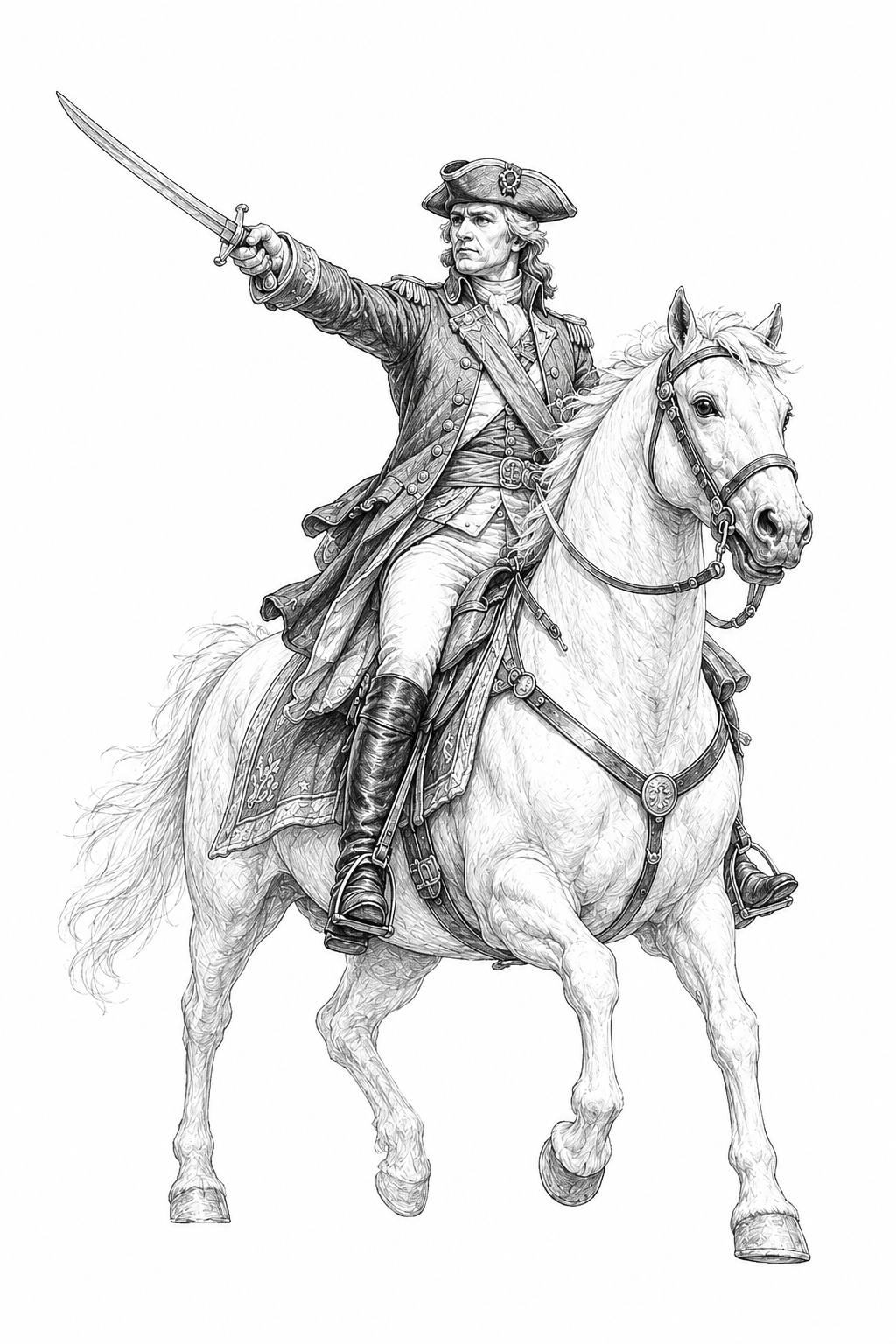
Attack, forward pressure, and tempo
“Forward. Again.”
The General leads from the decisive point, using Command to advance, reinforce an attack, and press a defeated opponent before they can recover.
The General's Orders turn Command into extra movement, stronger attacks, and pursuit after a win. He rewards attacking first and converting one advantage into the next.
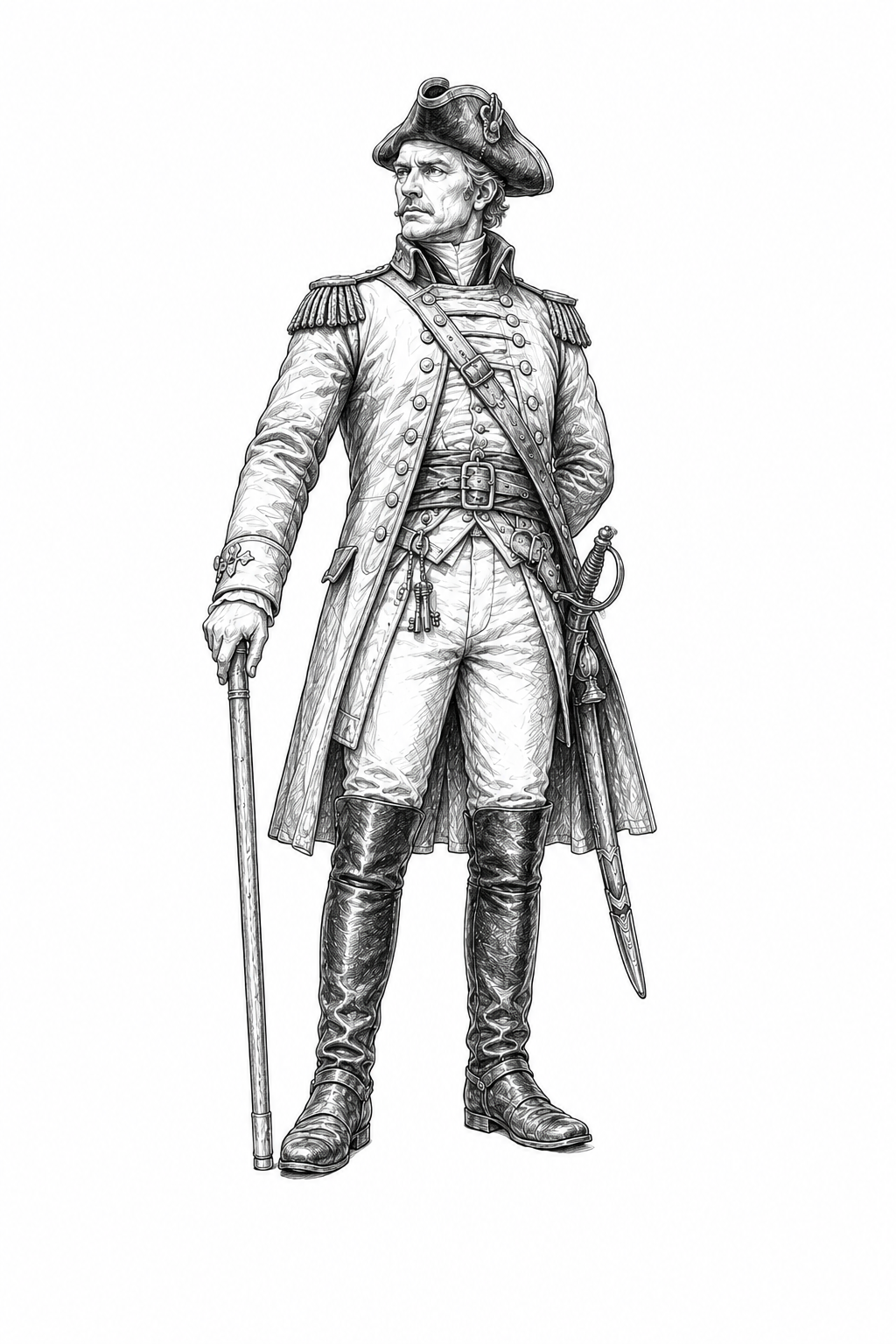
Defense, counterattack, and control
“We hold. They break.”
The Commandant turns a defended position into lasting control, making failed enemy attacks more costly and creating openings to answer with a counterattack.
The Commandant's Orders reinforce defense, drive attackers farther back, and turn successful holds into territorial progress. He rewards patience and counterattack.
Archetype and setting
Military represents organized force: field armies, provincial forces, militias, garrisons, fortifications, supply networks, and the officers who turn political authority into control of the battlefield. The General embodies personal command, maneuver, morale, and decisive campaigning; the Commandant embodies discipline, readiness, fortification, logistics, and the permanent military establishment.
Leader inspirations: General — George Washington and Napoleon Bonaparte, drawing on the tradition of the heroic mounted field commander. Commandant — Baron von Steuben, Frederick the Great, and the severe eighteenth-century garrison or fortress commander.
Gauntlet takes place in an eighteenth-century powder-and-parchment world of competing provinces, chartered territories, autonomous cities, commercial possessions, and independent native nations. The six factions are institutional spheres that cross political and cultural borders: methods of exercising power rather than six countries or peoples.
Take the next step